📋 Quick Navigation
🏰 Vieux-Nice (Old Town): The Historic and Vibrant Soul of the Riviera
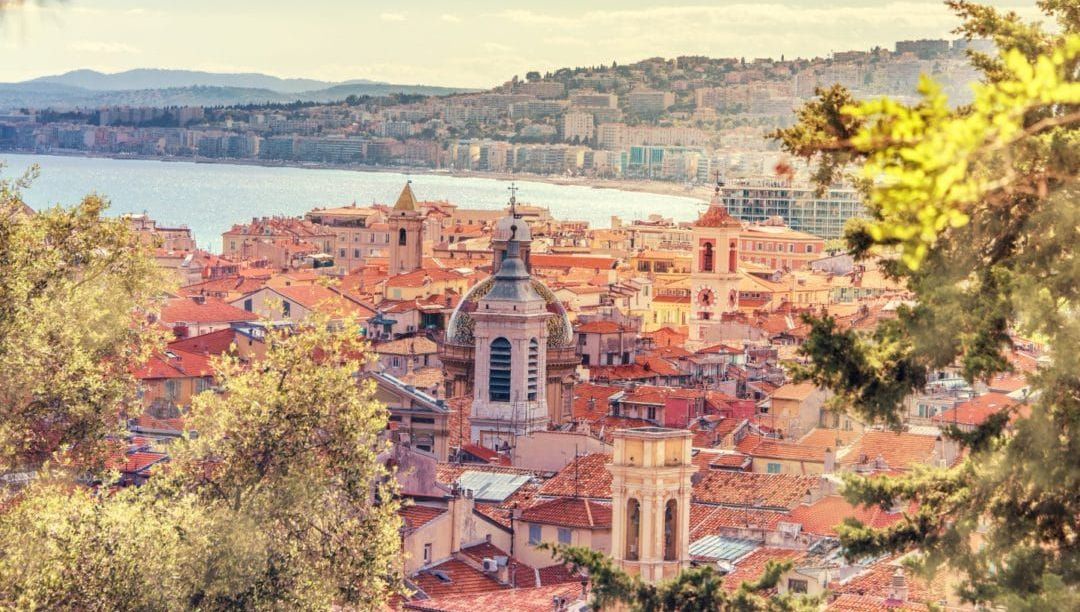
Forget the wide Haussmann-style boulevards of Paris. When you step into Vieux-Nice (or Vieux-Babazouk as locals call it), you enter another world. With its narrow, shaded streets designed to keep the summer heat out, its facades painted in vibrant ochres, Sardinian reds, and sunny yellows, and its laundry hanging from wooden shutters, this district is the beating heart of the city. This is where the true Niçois identity lives.
📜 A Bit of History: Why does Old Nice look so “Italian”?
To understand Old Nice, you have to look at its past. Until 1860, Nice was not part of France! For centuries, the city belonged to the House of Savoy, and later to the Kingdom of Piedmont-Sardinia. This Ligurian and Piedmontese architectural influence is everywhere: Roman tiled roofs, extravagant Baroque churches, trompe-l’œil frescoes on facades, and traditional louvered shutters designed to let the sea breeze in.
📸 The Perfect Itinerary: What to see in the labyrinth?
The best advice for visiting Vieux-Nice is simply to get lost. However, here are the absolute must-sees you should cross on your path:
- 💐 Cours Saleya: This is the main pedestrian artery of the Old Town. Every morning (except Mondays, which are for antiques), it hosts the famous Flower and Produce Market, ranked among the finest markets in France. Scents of lavender, lemons, and fresh socca fill the air.
- ⛪ Place Rossetti and Sainte-Réparate: The most spectacular square in the district. It is dominated by the Sainte-Réparate Cathedral, a 17th-century Baroque jewel with a magnificent glazed tile dome. Sit by the fountain and listen to the street musicians.
- 👑 Palais Lascaris: Located on the narrow Rue Droite, this is the most important civil building of the Baroque era in Nice. Step inside to discover a monumental frescoed staircase, luxurious aristocratic salons, and a fascinating collection of antique musical instruments.
- 🎨 Rue Droite: Once the main street during the Middle Ages, it is now a haven for local artists, intimate art galleries, and small craft boutiques.
🍽️ The Ultimate Niçois Street Food Guide
Old Nice is a culinary paradise that even has its own official quality label (“Cuisine Nissarde”). Do not miss these local specialties sold in small traditional shops:
- 🔥 Socca: The emblem of the city! A rustic, savory pancake made from chickpea flour and olive oil, baked in a wood-fired oven on large copper pans. Crispy on the outside, soft on the inside. (Best eaten heavily peppered at René Socca or Chez Pipo).
- 🥖 Pan Bagnat: The famous “bathed bread”. Imagine a classic Salade Niçoise (tuna, hard-boiled eggs, raw veggies, olive oil, anchovies) stuffed inside a round bread specially baked to absorb the juices. The perfect beach lunch.
- 🧅 Pissaladière: A traditional tart topped with slowly caramelized onions, anchovies, and black cailletier olives.
- 🥬 Petits Farcis & Tourte de Blettes: Stuffed vegetables and sweet Swiss chard tart, perfect for discovering the surprising sweet-and-savory side of local food.
- 🍦 Gelato at Fenocchio: Located in Place Rossetti, this historic ice cream parlor offers about 100 flavors, from classics to crazy local tastes (olive, tomato-basil, lavender, beer).
📌 Practical Info & Insider Tips
🚋 Tram Access: The easiest way is via Line 1 (stops Opéra-Vieille Ville or Cathédrale-Vieille Ville).
⏱️ When to go? The district has two faces. Go around 9:00 AM to enjoy the Cours Saleya market with the locals. Return after 7:00 PM when the narrow streets come alive and the pub and restaurant terraces fill up.
👟 Tip: The streets are often cobbled or paved with round stones. Wear comfortable walking shoes, especially if you plan to climb up to Castle Hill afterward!
👉 Check out our selection of the best guided tours in Old Nice


